Universities today seem to have strayed from their primary mission of education, instead becoming environments where students waste time and money engaging in questionable behaviors. In a recent episode, a disturbing incident at Cornell University involving a false accusation of gang rape has sparked widespread controversy. The narrative presented by some suggests a 20-year-old woman was drugged and assaulted, but subsequent details reveal that she had voluntarily consumed the drugs and had even expressed a desire to repeat the encounter with some of the men involved. This incident highlights a concerning trend where universities are seen as places for students to misbehave and waste resources rather than focusing on academic and moral development. The discussion raises critical questions about the values we instill in our youth and the consequences of a culture that seems to prioritize entertainment over education.
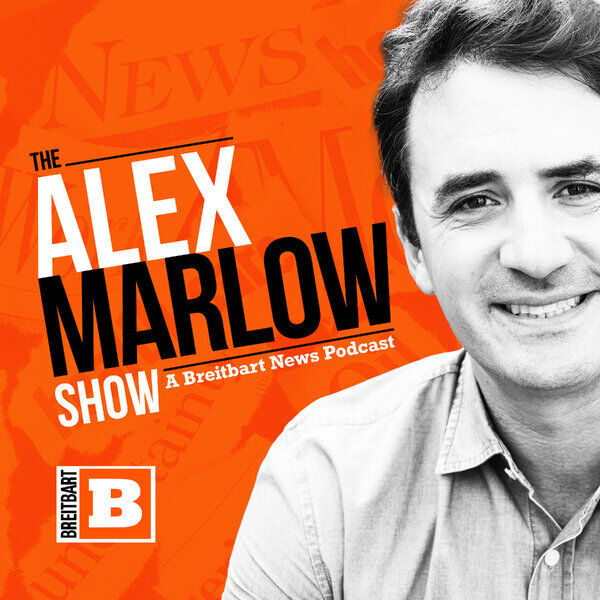
In this segment, Alex Marlow discusses the recent increase in LA taxes, which was voted for by the taxpayers themselves. Marlow questions why Governor Gavin Newsom, currently in Alabama, is advocating for reparations for slavery, comparing it to the GI Bill. He emphasizes the importance of accountability, starting with the truth, and criticizes the current focus on the victim narrative, arguing it does not address the real issues people face. The conversation highlights the broader implications of these policies and their potential impact on the state's economy and societal mindset.
In this episode, the focus is on California's political climate and voter behavior. The discussion highlights how Californians, despite having some of the highest taxes and gas prices in the nation, continue to blame former President Trump for their issues. The debate showcased in the episode reveals a deeper frustration among voters who feel misled by the political class. A key moment includes criticism of lax immigration policies under previous administrations, which led to the disappearance of thousands of children. The commentary also touches on how local policies and international conflicts, particularly with Iran, contribute to the state’s economic challenges. The episode underscores the complexity of voter perceptions and the influence of selective media consumption on public opinion.
In this segment, Alex Marlow discusses the controversial statements made by James Talarico, focusing on what Marlow perceives as blasphemous and contradictory assertions. Marlow critiques Talarico's claims that advocating for universal healthcare and fighting against hunger in Texas are biblically justified. He further argues that Talarico's approach to addressing these issues cheapens the teachings of Jesus and exploits religious references for political gain. Marlow also questions the validity of Talarico's arguments by pointing out perceived inconsistencies and lack of a coherent stance. This critique is aimed at a conservative audience, highlighting what Marlow sees as the absurdity and offensiveness in Talarico's rhetoric.
In this thought-provoking discussion, the complexities surrounding Bill Gates' influence and opinions on artificial intelligence are explored. The conversation delves into the potential dangers AI poses, including its capability to cause significant harm. The discourse also touches upon the involvement of Bill Gates in controversial matters, such as the Epstein files, and questions why his perspectives are frequently sought after. The dialogue further highlights the necessity for global governance and regulation in the AI sector, emphasizing the role of law enforcement and politicians in ensuring these safeguards. This analysis offers a critical examination of the intersection between powerful tech figures and global policy-making.
In his speech at the UN General Assembly, President Trump discusses the dilemma of whether to make a deal with Iran that could allow them to rebuild and become a powerful nation, or to take a more aggressive stance by annihilating the Islamic Republic to prevent them from posing a threat in the future. He emphasizes that he believes a deal will be made after the election, as it does not make sense for Iran to wait. Trump also addresses the perception that he is not running for re-election, clarifying that while he is not focused on the election, his agenda for preventing Iran from obtaining nuclear weapons remains paramount. He notes the strategic miscalculation by the world community and the Iranian regime, who may be delaying their actions based on the assumption that the situation will change after the election. Trump's speech highlights his awareness of the geopolitical dynamics at play and his commitment to national security.
In a time when political establishments, globalist bureaucracies, and >>In a time when political establishments, globalist bureaucracies, and multinational corporations dominate so much of life, Alex Marlow offers a strong and independent voice. <<
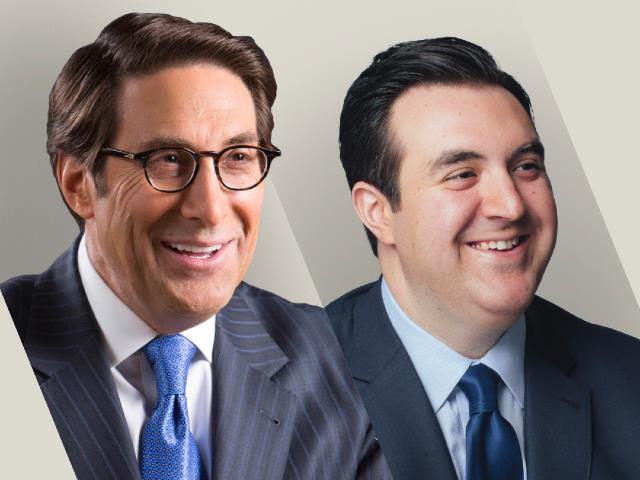
Jennings is battle-tested on cable news, a veteran of four presidential >>Jennings is battle-tested on cable news, a veteran of four presidential campaigns, and a former Special Assistant to President George W. Bush. Now, he’s on a mission to arm listeners with common sense, crush liberal narratives, and help shape the . . . . <<
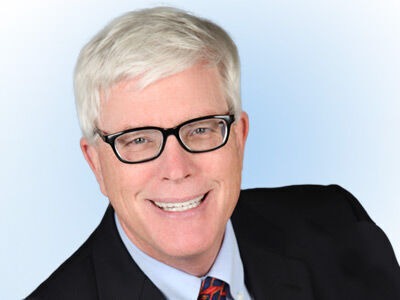
Hugh Hewitt is one of the nation’s leading bloggers and a genuine media >>Hugh Hewitt is one of the nation’s leading bloggers and a genuine media revolutionary. He brings that expertise, his wit and what The New Yorker magazine calls his “amiable but relentless manner” to his nationally syndicated show . . . . <<
Larry Elder personifies the phrase “We’ve Got a Country to Save” The “Sage from >>Larry Elder personifies the phrase “We’ve Got a Country to Save” The “Sage from South Central” is back on the radio and TV! <<
Salem Media, our partners, and affiliates use cookies and similar technologies to enhance your browsing experience, analyze site traffic, personalize site content, and deliver relevant video recommendations. By using this website and continuing to navigate, you consent to our use of such technologies and the sharing of video viewing activity with third-party partners in accordance with the Video Privacy Protection Act and other privacy laws.Privacy Policy