Democratic wins raise questions for states’ coal lawsuit
National News

Audio By Carbonatix
2:36 PM on Wednesday, November 4
(The Center Square) – Democrats will take over Texas’ and Iowa’s roles in a coal–related lawsuit. The lawsuit blames big investment firms for higher coal prices and electric bills.
Democrat Chris Mann led Kansas Attorney General Kris Kobach as of vote counts early Wednesday afternoon, but that race hasn't been called yet. Kansas also is involved as a plaintiff in the lawsuit.
The lawsuit says BlackRock and State Street used their stakes in coal companies to push miners to reduce output. They say those cuts raised coal prices and electric bills. The firms deny any wrongdoing.
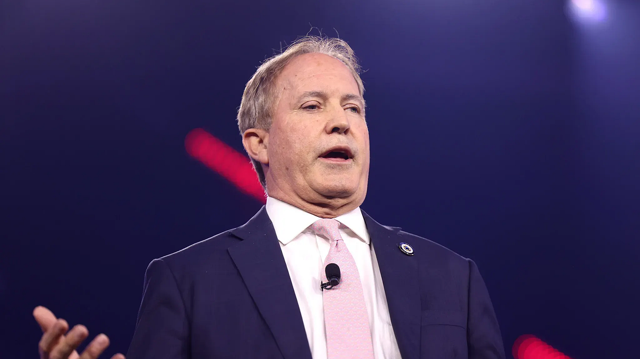
Texas Attorney General Ken Paxton filed this lawsuit in 2024. However, he ran for U.S. Senate against Democrat James Talarico and lost.
Democrat Nathan Johnson won the open attorney general seat, beating Republican Mayes Middleton. Johnson is known for composing music used in the Dragon Ball Z Funimation dub.
Meanwhile, Democrat Nate Willems beat incumbent Republican Attorney General Brenna Bird in Iowa. And while Mann has declared victory in Kansas, Kobach hasn’t conceded yet.
An NBC News exit poll said 86% of voters were concerned about utility costs. About eight in 10 said inflation had hurt their families.
In February, Vanguard agreed to pay $29.5 million in a 13-state settlement. It denied any wrongdoing. However, it accepted limits on its efforts to shape companies’ business plans and carbon emissions policies.
Paxton said his lawsuit will protect energy suppliers and cut costs.
“Coal is an essential industry to support America’s ever-growing energy demands,” he said in February.
BlackRock claims the lawsuit would cut coal firms’ access to capital and raise energy costs.
The company said that “this case is trying to re-write antitrust law.” It denied that coal firms worked with shareholders to reduce output.
State Street called the suit “baseless and without merit.”
Last week, U.S. District Judge Jeremy Kernodle dismissed some of the lawsuit’s claims. Yet, he let Iowa and Nebraska keep seeking damages for power customers under state antitrust laws.
The judge said the states laid out enough facts to support those claims, but the states still have to prove their case.
The Justice Department and Federal Trade Commission backed their legal arguments in 2025. They said protections for passive investors don’t shield efforts to use stakes in rival firms to cut industrywide output.
Other forces also drive power prices.
The U.S. Energy Information Administration put August natural gas costs at Henry Hub at $22.09 per megawatt-hour. Central Appalachian coal cost $34.99. That comparison accounts for fuel energy content and plant efficiency.
EIA said the fuel delivery and contracts also impact which plants utilities run.
Cheap gas competed with coal long before the lawsuit. The Bureau of Labor Statistics reported in 2013 that lower gas prices led power plants to burn more gas and less coal.
EIA’s October outlook projects an 11% increase in average wholesale power prices at 11 trading hubs this year. It blames weather for increases in some regions and thinks the increase won’t be as bad next year.
Grid costs also raise household bills.
During his campaign, Willems criticized his opponent for focusing on national political fights.
“I am not running for attorney general because I want to sue the government every 10 minutes,” he told Iowa Public Radio.
He pledged to sue corporations that hurt Iowans, but didn’t specifically mention this coal case.